Program Details
You've done your 200 hours. Maybe you've been teaching for a while, maybe you've barely started. Either way, at some point the basics stop being enough. You want to understand why a sequence works, what pranayama actually does to the nervous system, and how to sit with a student whose body or mind isn't cooperating that day.
That's what our 300 Hour Yoga Teacher Training in India is for. It runs at Shiv Parivar Resort in Uttarkashi, right by the Bhagirathi, and it's built for people who already know the foundations and want to stop skimming the surface.
Why a 300 Hour Yoga Teacher Training in Uttarkashi
Most advanced courses in India happen in Rishikesh, and there's nothing wrong with that. But if you've been there in March, you know the streets can feel more like a festival than a retreat.
Uttarkashi is a few hours further into the Garhwal Himalaya. It's a working pilgrim town, not a yoga resort. Sadhus walk the ghats in the morning, temple bells carry across the river at dusk, and the pace of life slows you down whether you plan for it or not.
We chose to run our 300 Hour Yoga Teacher Training in Uttarkashi for exactly that reason. Advanced practice needs quiet. Long holds, slow breathwork and silent meditation are hard to settle into when there's a rafting party outside your window. Here, the loudest thing is usually the river.
On Sundays you can walk up to the Kashi Vishwanath temple, browse the little bazaar for woollens and spices, or just sit by the water with a book. Nobody plans your rest day for you, and that's deliberate.
A Himalayan Yoga Teacher Training Course, Not a Classroom Course
There's a difference between studying yoga and living it for a few weeks. This is a Himalayan yoga teacher training course in the real sense. The mountains aren't a backdrop for photos. They shape the day.
Mornings are cold enough that you'll want a shawl for pranayama. Afternoons warm up. The air is clean, the food is simple, and most students say they sleep better here than they have in years. All of that changes how you practise, and honestly, how you think about teaching once you go home.
People sometimes ask whether a Himalayan yoga teacher training course is very different from one in a city. We'd say yes. Not because the syllabus changes, but because you do.
A Residential Yoga Teacher Training in India
This is a fully residential yoga teacher training in India. You live at the resort for the whole course, with your teachers and your batchmates close by. Your fee covers tuition, study material, your room and three sattvic vegetarian meals a day.
Rooms range from dormitory beds to single rooms, and the double and single rooms have attached bathrooms. Nothing fancy, but clean and comfortable, which is exactly what you want after a long day on the mat.
Why does it matter that it's residential? Because you never step out of the course. You don't spend your evenings working out dinner or getting a taxi back to a guesthouse. A residential yoga teacher training in India lets the whole day become practice, including the bits between classes. Some of the best conversations happen at the dinner table.
300 Hour YTTC in India for Foreigners
Most of our students on this course travel from abroad, so we've tried to make the logistics as easy as we can. Our 300 Hour YTTC in India for Foreigners is taught entirely in English, and our team helps you with the practical side before you arrive.
Here's what to expect:
- Guidance on getting from Dehradun to Uttarkashi, which is a scenic mountain drive.
- Help understanding the documents you'll need for your visa.
- Clear English teaching, with study material for each subject.
- Staff around if you feel unwell, get homesick or just need directions to the market.
- A small group, so nobody feels lost.
Indian nationals have a separate version of the course, so this one is shaped around the questions overseas students usually have. If something isn't clear, just message us. We'd rather you ask than worry.
Yoga Teacher Training in India for International Students
Batches are capped at 20 people. In practice that usually means a mix of nationalities, ages and backgrounds. A physiotherapist from Spain next to a software engineer from Canada next to a full-time teacher from Australia. That mix is part of the education.
We've run yoga teacher training in India for international students long enough to know what helps people settle. A slow first couple of days. Food that's nourishing but not too spicy. A schedule with Sundays off so you can rest, explore the town or just do laundry.
If you're wondering whether you'll fit in, you will. Everyone arrives a bit unsure. By the end of the first week it feels like a small, slightly odd family.
Who Can Join
300 Hour International Yoga Teacher Training: Who Can Join
To join the 300 Hour International Yoga Teacher Training, you'll need to have finished a 200-hour yoga teacher training and to keep up a regular personal practice. That's it. You don't need to be teaching full time, and you don't need to be able to do every advanced pose.
What helps most is curiosity. People who arrive with questions get far more out of it than people who arrive wanting a checklist.
Duration
The course runs over 22 days (21 nights), fully residential.
Daily Schedule
Classes run six days a week; Sunday is a rest day. Morning and afternoon asana alternate between Hatha and Ashtanga, and theory moves through philosophy, anatomy and teaching method across the week.
| Time | Session |
|---|---|
| 06:00 - 07:00 | Shatkriya & Pranayama / Pranayama, Mudra & Bandha / Pranayama & Mantra Chanting |
| 07:15 - 08:45 | Hatha Yoga / Ashtanga Primary / Led Ashtanga & Mysore |
| 09:00 - 09:45 | Breakfast |
| 10:00 - 11:15 | Yoga Darshana / Sharir Kriya Vijnana / Yoga Sutras of Patanjali / Anatomy of Asana / Hatha Yoga Pradipika / Ayurveda & Yoga Therapy |
| 11:30 - 12:45 | Shikshan Pranali / Alignment & Adjustment / Raja Yoga - Pratyahara / Shikshanabhyasa / Therapeutic Yoga Workshop |
| 13:00 - 14:00 | Lunch & Rest |
| 16:00 - 17:30 | Ashtanga Vinyasa / Hatha - Asana & Bandha / Restorative Hatha |
| 18:00 - 19:00 | Guided Meditation / Yoga Nidra / Satsang & Q&A / Kirtan & Mantra Chanting |
Student Reviews
No reviews here yet. Trained with us? Your words help the next student decide.
Trained with us? Share your experience
Curriculum
What You'll Study on the 300 Hour Advanced Yoga Teacher Training in India
The 300 Hour Advanced Yoga Teacher Training in India picks up where your 200-hour course left off. We assume you know the names of poses and the basics of alignment. So we spend our time on the parts most first trainings rush through.
Asana goes further. You'll practise Hatha and Ashtanga on alternating mornings, and in the afternoons we slow it right down with restorative work and bandha-focused Hatha. There's a lot of time on adjustments and modifications, because real students rarely look like the photos in a book.
Pranayama becomes a proper discipline rather than five minutes at the end of class. We go into advanced breathing practices, mudras, bandhas and the traditional kriyas, and we talk honestly about when they help and when they don't.
Meditation, yoga nidra and mantra are part of every day. Some evenings end in satsang or kirtan, which people either love immediately or come round to by the second week.
Philosophy means reading the Yoga Sutras of Patanjali and the Hatha Yoga Pradipika closely, line by line, and arguing about them over chai. Applied anatomy focuses on what you'll actually see in a class, from tight hamstrings to old shoulder injuries. We also cover therapeutic yoga and some Ayurveda basics.
And you teach. Supervised practice teaching runs through the whole course, with direct feedback each time. By the end you'll have taught more than you probably expect.
Advanced Hatha Yoga Teacher Training at the Core
If there's one thread through this course, it's Hatha. Our advanced Hatha yoga teacher training goes beyond holding poses for longer. It's about understanding Hatha as the old texts describe it, a practice that brings body, breath and attention together until they stop feeling like separate things.
In practical terms, that means longer holds, careful use of bandhas, slower transitions and more silence. It means learning to read a student's breath before you look at their alignment.
We also teach Ashtanga Vinyasa, because a modern teacher needs range. But advanced Hatha yoga teacher training is what most of our graduates say changed their own practice the most. A few of them were surprised by that. They came for the advanced postures and left talking about breath.
And if you want to teach slower, more therapeutic classes when you get home, this advanced Hatha yoga teacher training gives you the tools and the confidence to do it properly.
Teaching & Certification
Who Teaches You
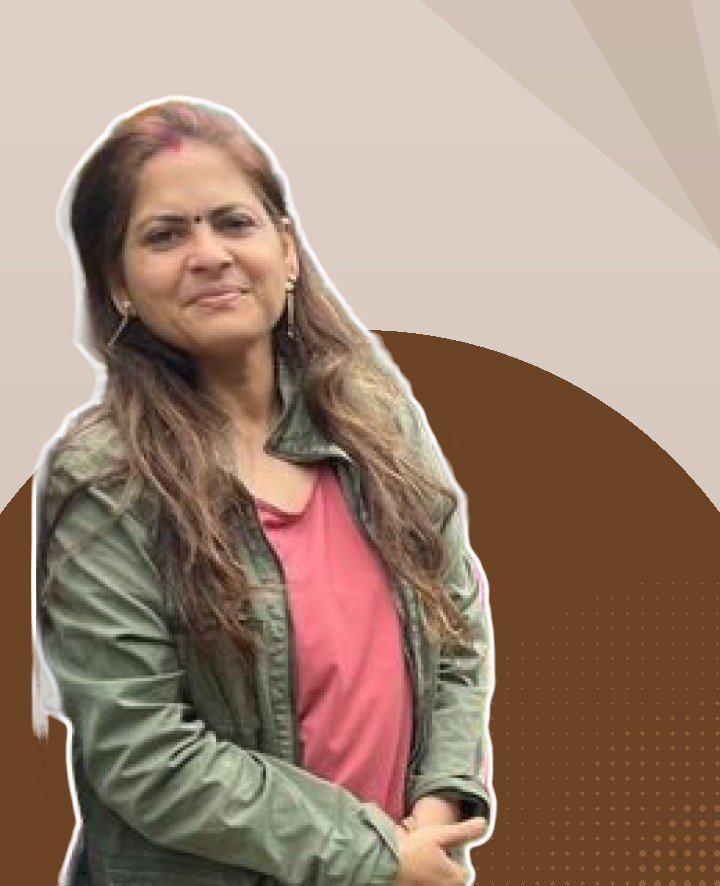
Tripti leads the Hatha, Ashtanga and philosophy sessions. She's patient, exacting about alignment, and very good at explaining old texts without making them sound dusty.
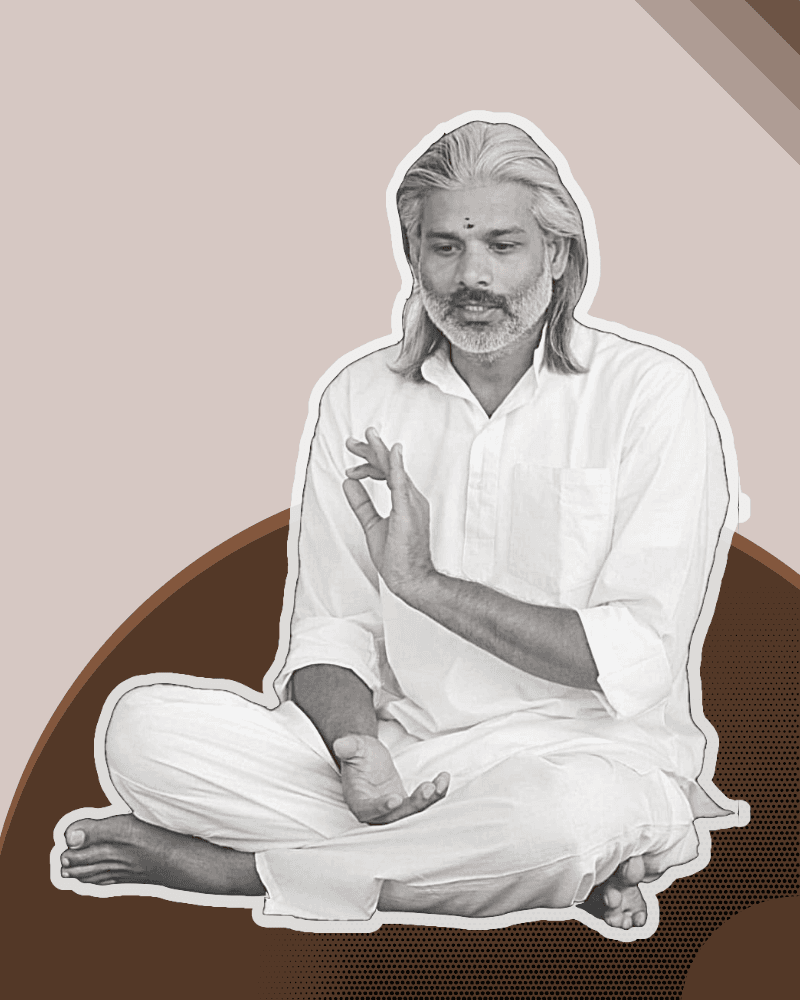
Rohit Kumar teaches pranayama, meditation, anatomy and Ayurveda. He founded Sanatana Yog Sandesh, which runs the school, and his classes tend to be the ones people talk about at lunch.
Between them they cover the full course, and both are around outside class hours too.
If you have a question about your own practice, an old injury or a book you're reading, bring it along. Some of the most useful teaching happens in those unplanned chats after class.
Certification
On successful completion you receive a certificate issued by Sanatana Yog Sandesh, the organisation behind Yoga Bhawna Mission.
Meet Your Teachers
Our Unique Offerings
Why Choose Our Advanced Yoga Teacher Training Course in India
There are a lot of courses out there, and plenty of them are good. What we offer is a small group, experienced teachers, a quiet Himalayan setting and a strong focus on traditional Hatha.
Our Advanced Yoga Teacher Training Course in India isn't about collecting another certificate. It's about becoming a teacher people trust. The kind who can explain why, not just what. The kind who can adapt a class on the spot because the room needs something different that day.
How to Register
Begin Your 300 Hour Yoga Teacher Training in India
If you've been thinking about this for a while, it's probably time. Send us a message through the form or on WhatsApp, tell us a little about your practice, and we'll get back to you with upcoming dates and anything else you want to know.
Seats on this Himalayan yoga teacher training course are limited because we keep the group small. We'd love to have you in the next batch of our 300 Hour Yoga Teacher Training in India.
Course Fees
Fees are per person and include tuition, accommodation and sattvic meals. Double and single rooms have attached bathrooms.
For international (foreign national) students; fees are in US dollars. Indian nationals: see the course for Indian nationals (fees in INR).
| Room | Fee (USD) |
|---|---|
| Dormitory | $1,000 |
| Triple sharing | $1,100 |
| Double sharing | $1,200 |
| Single room | $1,400 |
Included
- Tuition and study materials
- Accommodation (dormitory, triple sharing, double sharing or single room)
- Three sattvic vegetarian meals a day
- Daily asana, pranayama and meditation
- Certificate on completion
Not included
- Visa and travel insurance
- Travel to and from the school
- Personal expenses
How to Arrive
Yoga Bhawna Mission's current address is:
Bhareti Chungi, New Bypass Road, Uttarkashi, Uttarakhand, India.
Students travelling to Uttarkashi can generally plan their journey via the main transport points in Uttarakhand and continue by road.
For international students, it is recommended to contact the school before booking the final travel arrangements so that the current arrival guidance and transfer options can be confirmed.
Location
Shiv Parivar Resort
Bhareti Chungi, New Bypass Road, Uttarkashi, Uttarakhand
Get directionsFrequently Asked Questions
Do I need a 200-hour certificate first?
Yes. This course builds directly on 200-hour training.
How many students are in each batch?
A maximum of 20.
Which styles are taught?
Mainly Hatha, with Ashtanga Vinyasa alongside it.
Do you have a day off?
Yes. Classes run six days a week and Sunday is free.
What's included in the fee?
Tuition, study material, accommodation and three vegetarian meals a day. Flights, visas and travel insurance are on you.
Who issues the certificate?
Sanatana Yog Sandesh issues the certificate when you complete the course.
Refund Policy
Booking & Deposit
A deposit is required to confirm your place on the course. Because places are strictly limited and each seat is held for you, the deposit is non-refundable. The remaining balance is due before the course begins, as advised by the admissions team at the time of booking.
Cancellation by the Student
- More than 30 days before the start date: any amount paid above the deposit is fully refundable, or the full amount may be transferred to a future batch within 12 months.
- 15 to 30 days before the start date: 50% of the course fee (excluding the non-refundable deposit) is refundable, or the full amount may be transferred to a future batch within 12 months.
- Less than 15 days before the start date, after the course has begun, or in the case of a no-show: the course fee is non-refundable.
Transfers
You may transfer your booking to a future batch within 12 months of your original start date, subject to availability, by giving written notice at least 15 days before the course begins.
Cancellation by the School
If Yoga Bhawna Mission cancels or reschedules a batch, you will be offered a full refund of all amounts paid, or a transfer to another batch of your choice at no extra cost.
Not Covered
Travel, visa, insurance and personal expenses are arranged and paid by the student and are not refundable by the school.
How to Request a Cancellation or Transfer
Email contact@yogbhawnamission.com with your name, course and batch dates. All cancellation and transfer requests must be made in writing.
Please confirm the current deposit amount and any batch-specific terms with the admissions team at the time of booking.