Program Details
Our 200 Hour Yoga Teacher Training in India takes place in Uttarkashi, a small pilgrim town on the Bhagirathi River. It's 26 days long. You'll live on campus, practise twice a day, and study with teachers who've been at this most of their lives. By week four you'll be teaching a full class on your own. That surprises most people, honestly, including the ones who arrived sure they'd never be ready.
Some come because they want to teach. Some have practised for years and want to finally understand what they're doing. A few just need a month with no traffic and no inbox. All of those are good reasons.
Why a 200 Hour Yoga Teacher Training in Uttarkashi?
Ask anyone about yoga in India and they'll say Rishikesh. We love Rishikesh. We also know how busy it gets, with cafés, rafting groups and loudspeakers at every corner in high season.
Uttarkashi is roughly 170 km further up the valley. You notice the change the first morning. It's cooler, quieter, and the river is loud enough to hear from the shala.
A 200 Hour Yoga Teacher Training in Uttarkashi puts you somewhere people actually live their faith. The Kashi Vishwanath temple is a short walk away. Pilgrims pass through on the road to Gangotri. Evening aarti happens at the ghats whether tourists show up or not, and that's sort of the point.
There are practical upsides too. Batches here stay at 10 to 16 people, so nobody gets lost at the back of the room. Living costs are lower than in the bigger yoga towns, and that keeps our fee reasonable. On Sundays we head out to places like Nachiketa Tal or the hot springs at Gangnani.
A Residential Yoga Teacher Training in India
Yes, it's a residential yoga teacher training in India, and we think that matters more than people expect. Your fee covers your room, three vegetarian meals a day, tea, manuals and the weekend trips. You don't have to cook, commute or figure out where dinner is. You just practise.
The rooms are plain but comfortable. Each has its own bathroom and hot water, and the Wi-Fi works in the common areas (mostly). You can pick a private room or share with one other student. Our cooks use whatever's fresh from the local market, and they'll handle vegan or gluten-free if you tell us before you arrive.
Here's the thing about a residential yoga teacher training in India. Half of what you learn happens outside class. It's the conversation over dal about a sutra nobody understood, or the friend who helps you fix your headstand at 6 pm. You don't get that if everyone goes home at five.
Yoga Alliance RYS 200 in India
Yoga Bhawna Mission is a Yoga Alliance RYS 200 in India. Finish the course and you can register as an RYT 200 with Yoga Alliance. That's the credential studios in Europe, the US, Australia and most of Asia look for when they hire.
We follow Yoga Alliance's current standards on contact hours and group size. So you're getting something that's recognised abroad, from teachers who grew up inside this tradition. That combination is really the whole idea.
What the 200 Hour Yoga Certification Course in India Covers
The 200 Hour Yoga Certification Course in India is about half practice and half study. We want you to know how to teach a pose and also why you'd teach it.
Mornings start with asana. You'll work through classical Hatha postures and the Ashtanga primary series, with plenty of time spent on alignment, hands-on adjustments, props, and what to do when a student's body just won't go there.
Then there's breathwork. Nadi shodhana, kapalbhati, bhramari. We also teach the old cleansing practices like jala neti, which everyone laughs about on day one and quietly keeps doing at home.
You'll meditate every day. Some of it guided, some of it yoga nidra, some of it chanting. Learning to sit still yourself is the only real way to learn how to hold a quiet room for others.
Anatomy is taught for teachers, not doctors. Muscles, joints, the nervous system, and how injuries actually happen in class. We cover the subtle body too, meaning chakras, nadis and the koshas.
Philosophy classes go through the Yoga Sutras, the Bhagavad Gita and the Hatha Yoga Pradipika. No lectures in academic Sanskrit. We talk about how this stuff applies to a normal life with a job and a family.
And from week two you teach. First to one partner, then a small group, then the whole batch. You get feedback every time. At the end there's a practical teaching assessment and a short written exam.
Hatha Yoga Teacher Training in India, Done Slowly
This is a Hatha yoga teacher training in India first and foremost. Most of the styles you see in studios today grew out of Hatha, so if you understand it, you can adapt to pretty much anything.
We hold poses long enough to feel what they do. Breath comes first, then movement. Every class ends lying still. Our Hatha yoga teacher training in India is taught the way our own teachers learned it, patiently, with no pressure to force anything. You'll learn Ashtanga Vinyasa as well for faster classes, but Hatha is home base.
A Beginner Yoga Teacher Training in India
You don't need to put your foot behind your head. Really. A lot of our graduates came with a year or two of practice and no plan to teach at all.
We run it as a beginner yoga teacher training in India on purpose. We start at the foundations, keep a pace the group can manage, and give extra support in week one to anyone who's struggling. Nobody gets left behind.
What we do ask for is commitment. Show up to every class. Keep an open mind. Go along with the early nights and the simple routine. If you can do that, a beginner yoga teacher training in India like this one will take you further than you'd guess.
Yoga Teacher Training in India for Foreigners
Nearly all our students fly in from abroad, so we've built the whole thing around that. If you're looking at yoga teacher training in India for foreigners, here's what we take care of:
- Pickup from Dehradun airport or the railway station. The drive up is about five hours and the views are worth staying awake for.
- A letter for your e-visa and help with arrival paperwork.
- Classes in plain English, with printed manuals for every module.
- Someone on staff day and night if you get sick, lost or just confused.
- A campus where women travelling solo feel safe. Many of our students are exactly that.
First time in India? We'll email you a pre-arrival guide about packing, cash, SIM cards and what the roads are like. It's the stuff we wish someone had told us.
A 200 Hour International Yoga Teacher Training
Every batch is a mix of 10 or more countries. Germany, Brazil, Japan, Canada, the UK, India. People share meals, trade snacks from home, argue about philosophy and end up visiting each other years later.
Our 200 Hour International Yoga Teacher Training keeps to an international standard without watering down the Indian roots. Teachers explain Sanskrit terms in simple English and help you link the traditional material to the kind of classes your students back home will actually come to.
Why Our International Yoga Teacher Training Course in India Is Different
Plenty of schools run a course like this. Ours is small on purpose. Our lead teachers each have 15+ years of experience, and every graduate gets a written review of their teaching with clear notes on what to work on next.
Picking an International Yoga Teacher Training Course in India isn't really about the certificate. It's about who you'll learn from and whether they'll still answer your messages six months later. Ours do. We run refresher sessions, online mentoring, and we're around when you start teaching your first classes.
Our graduates now run studios, lead retreats, and teach in schools, hospitals and offices. Some just went home with a steadier practice and a calmer head. We're proud of both.
Start Your 200 Hour Yoga Teacher Training in India
We keep batches small, so places do fill up. If you're ready to teach, or just ready to go deeper, send us your application. Someone from our team will write back within a day with dates, details and answers to whatever you're wondering about.
Who Can Join
This course may be suitable for:
- Beginners interested in yoga
- Experienced yoga practitioners
- Aspiring yoga teachers
- Wellness professionals
- Fitness professionals
- International students
- Students interested in Himalayan yoga
- Anyone wanting to deepen their personal practice
Advanced yoga postures are not a compulsory requirement for joining. A sincere interest in yoga, willingness to learn, discipline, and regular participation are essential.
Duration
The course runs over 26 days (25 nights), fully residential.
Daily Schedule
Classes run six days a week; Sunday is a rest day. Morning and afternoon asana alternate between Hatha and Ashtanga, and theory moves through philosophy, anatomy and teaching method across the week.
| Time | Session |
|---|---|
| 06:00 - 07:00 | Shatkriya & Pranayama / Pranayama, Mudra & Bandha / Pranayama & Mantra Chanting |
| 07:15 - 08:45 | Hatha Yoga / Ashtanga Primary / Led Ashtanga & Mysore |
| 09:00 - 09:45 | Breakfast |
| 10:00 - 11:15 | Yoga Darshana / Sharir Kriya Vijnana / Yoga Sutras of Patanjali / Anatomy of Asana / Hatha Yoga Pradipika / Ayurveda & Yoga Therapy |
| 11:30 - 12:45 | Shikshan Pranali / Alignment & Adjustment / Raja Yoga - Pratyahara / Shikshanabhyasa / Therapeutic Yoga Workshop |
| 13:00 - 14:00 | Lunch & Rest |
| 16:00 - 17:30 | Ashtanga Vinyasa / Hatha - Asana & Bandha / Restorative Hatha |
| 18:00 - 19:00 | Guided Meditation / Yoga Nidra / Satsang & Q&A / Kirtan & Mantra Chanting |
Student Reviews
No reviews here yet. Trained with us? Your words help the next student decide.
Trained with us? Share your experience
Curriculum
Our 200-Hour Yoga Teacher Training Course prepares students to teach Yoga safely and competently to general adult groups. It combines the study of classical Yogic texts with sustained personal practice, a working knowledge of the human body, and supervised experience of teaching. The full syllabus below is organised into five sections totalling 200 hours.
| Section | Area of Study | Hours |
|---|---|---|
| A | Foundations of Yogic Thought | 40 |
| B | Practice and Technique | 100 |
| C | The Human Body and Yogic Wellness | 25 |
| D | Teaching Skills | 25 |
| E | Practicum and Assessment | 10 |
| Total | 200 |
Section A · Foundations of Yogic Thought (40 Hours)
1. Origins and Evolution of Yoga — 6 hours
Objective: To trace the development of Yoga from its earliest references through the classical and modern periods, and to place the practices taught in this course within that lineage.
- Yoga in the Vedic, Upanishadic and epic literature
- The classical period: the systematisation of Yoga as a darshana
- Major streams of practice: Jnana, Bhakti, Karma and Raja Yoga
- The transmission of Hatha Yoga through medieval texts and lineages
- Yoga in the modern era: revival, globalisation and the shift towards a physical emphasis
- Distinguishing Yoga as a discipline of self-transformation from Yoga as exercise
2. Patanjali's Yoga Sutra: Core Concepts — 14 hours
Objective: To build a working understanding of the key concepts of the Yoga Sutra and their relevance to daily practice and teaching.
- Structure of the four Padas and the overall argument of the text
- Chitta, its states (Bhumis) and the nature of the Vrittis
- Chitta-Vritti-Nirodha as the aim of Yoga
- Abhyasa and Vairagya as the twin means
- The five Kleshas and their operation in ordinary experience
- The obstacles (Antarayas) and their accompanying symptoms
- Chitta Prasadana: the four attitudes for a settled mind
- Ishwara and Ishwara Pranidhana
- The eightfold path (Ashtanga) as a graded discipline
- Applying Sutra concepts to the teacher’s own practice
3. Introduction to Samkhya — 5 hours
Objective: To introduce the Samkhya framework that underlies the Yoga Sutra, so that students can follow the vocabulary and logic of classical Yoga.
- The threefold classification of suffering
- Purusha and Prakriti: the two fundamental categories
- Satkaryavada and the theory of causation
- The twenty-five Tattvas and the order of evolution
- The three Gunas and their expression in body, mind and conduct
- The Indriyas: classification and function
- Where Yoga departs from Samkhya
4. Bhagavad Gita: Yoga in Daily Living — 5 hours
Objective: To draw on selected passages of the Gita as a practical guide to attitude, action and equanimity in everyday life.
- The setting of the text and its relevance as a manual of practice
- Karma Yoga: action without attachment to outcome
- The description of the settled mind (Sthitaprajna)
- Bhakti and Jnana as complementary approaches
- The Gunas as they shape food, work, faith and temperament
- Reading and reflection on selected verses, with group discussion
5. The Hatha Yoga Texts — 6 hours
Objective: To familiarise students with the classical Hatha Yoga literature and the principles that govern its practices.
- The emergence of Hatha Yoga and its relationship to Raja Yoga
- Hatha Pradipika: structure, key themes and sequence of practice
- Gheranda Samhita: the sevenfold discipline (Saptanga Yoga)
- Conditions that support practice and conditions that obstruct it
- Mitahara and the regulation of food
- The place of Shatkarma, Asana, Pranayama, Mudra and Nadanusandhana in the Hatha scheme
- Concepts of Nadi, Prana and Nadi Shuddhi
6. Yogic Ethics and the Conduct of a Teacher — 4 hours
Objective: To examine the Yamas and Niyamas as a lived discipline, and to establish the ethical standards expected of a Yoga teacher.
- The five Yamas: meaning, scope and practical application
- The five Niyamas: meaning, scope and practical application
- Ethical boundaries in the teacher-student relationship
- Consent, physical adjustment and personal space in a class setting
- Confidentiality, scope of practice, and knowing when to refer
- Self-honesty, humility and the teacher’s continuing practice
Section B · Practice and Technique (100 Hours)
7. Asana: Practice, Alignment and Adaptation — 60 hours
Objective: To develop competent personal practice in a full range of foundation asanas, to understand the alignment, benefits, contraindications and modifications of each posture, and to learn to observe a body accurately and adapt a posture to the practitioner in front of you.
- Preparatory movements, joint mobilisation and warm-up sequences
- Principles of steadiness and ease (Sthira and Sukha) in posture
- Meditative postures: Sukhasana, Vajrasana, Ardha Padmasana, Padmasana, Swastikasana
- Standing postures: Tadasana, Trikonasana, Parshvakonasana, Virabhadrasana I and II, Utkatasana, Vrikshasana, Garudasana, Parivritta Trikonasana
- Forward bends: Uttanasana, Paschimottanasana, Janu Sirsasana, Adho Mukha Svanasana, Shashankasana, Balasana
- Backward bends: Bhujangasana, Salabhasana, Dhanurasana, Setu Bandhasana, Ushtrasana, Marjari-Bitilasana
- Lateral bends and spinal twists: Konasana variations, Vakrasana, Ardha Matsyendrasana
- Abdominal and core work: Pavanamuktasana, Naukasana, Phalakasana, Uttanapadasana
- Inversions and their preparation: Viparita Karani, Sarvangasana, Halasana, Matsyasana as counterpose
- Relaxation postures: Shavasana, Makarasana, Advasana
- Surya Namaskara: full sequence, variations and breath coordination
- Use of props, wall support and modifications for stiffness, injury and age
- Counterposing, sequencing logic and safe transitions
- Contraindications: cardiac, spinal, ocular, abdominal, pregnancy and post-surgical considerations
8. Pranayama and Breath Regulation — 18 hours
Objective: To establish correct breathing habits and to introduce the classical Pranayamas with their preparation, technique, benefits and precautions.
- Mechanics of respiration and common faulty breathing patterns
- Sectional breathing: abdominal, thoracic, clavicular and full yogic breath
- Preparatory breathing practices and the establishment of ratio
- Nadi Shodhana and Anuloma-Viloma
- Ujjayi, Bhramari, Sheetali and Sitkari
- Bhastrika, Kapalabhati and Surya Bhedana as energising practices
- Chandra Bhedana and cooling practices
- Puraka, Rechaka and the graded introduction of Kumbhaka
- Contraindications, warning signs and safe progression
- Teaching Pranayama to beginners: pacing, posture and cueing
9. Shatkarma: Yogic Cleansing Practices — 6 hours
Objective: To introduce the six classical cleansing practices, their rationale, correct method and limits of use.
- Purpose of Shatkarma within the Hatha Yoga scheme
- Neti: Jala Neti and Sutra Neti
- Dhauti: Danta Dhauti, Jihva Dhauti, Kunjal Kriya
- Nauli and Agnisara: preparation and stages
- Kapalabhati as a cleansing practice
- Trataka: method, duration and effects
- Basti: principle and modern equivalents
- Hygiene, frequency, supervision and contraindications
10. Bandhas and Mudras — 6 hours
Objective: To introduce the locks and gestures used in Yogic practice, with correct technique and appropriate sequencing.
- Concept of Bandha and its role in Pranayama
- Jalandhara, Uddiyana and Moola Bandha; Maha Bandha
- Hasta Mudras: Chin, Jnana, Bhairava and others used in seated practice
- Head and postural Mudras: Shambhavi, Nasikagra, Yoga Mudra, Viparita Karani Mudra
- Sequencing Bandhas with breath and posture
- Precautions and contraindications
11. Relaxation, Concentration and Meditation — 10 hours
Objective: To introduce a graded progression from physical relaxation through concentration to meditative practice, and to equip students to guide a safe, well-paced relaxation or meditation session.
- Physical, mental and emotional dimensions of relaxation
- Guided systematic relaxation and Yoga Nidra: structure and delivery
- Prerequisites for meditation: posture, environment, time and attitude
- Dharana practices: breath awareness, object concentration, Trataka
- Antar Mouna and witnessing practices
- Mantra, Japa and the use of a mala
- Common obstacles: drowsiness, restlessness, expectation and how to work with them
- Observed effects of regular practice, described without exaggeration
- Practice teaching: scripting and voicing a ten-minute relaxation
Section C · The Human Body and Yogic Wellness (25 Hours)
12. Anatomy and Physiology for Yoga Teachers — 15 hours
Objective: To gain a working knowledge of the structure and function of the major body systems, and to understand how Yogic practices act on those systems and what that means for safe teaching.
- Skeletal and muscular systems: joint types, ranges of motion, the spine and its curves
- Respiratory system: mechanics of breathing, diaphragm, gas exchange
- Cardiovascular system: circulation, blood pressure and the effects of inversion
- Nervous system and sense organs: autonomic balance, the relaxation response
- Endocrine system: principal glands and the influence of Yogic practice
- Digestive and excretory systems
- Reproductive system and the integumentary system
- Common movement limitations and how they present in a class
- Reading a body: postural observation and basic assessment
- Physiological rationale behind asana, pranayama and relaxation
13. Yogic Diet and Lifestyle — 5 hours
Objective: To examine how food, routine and daily habits support or undermine practice.
- The Yogic view of health as balance rather than absence of illness
- Mitahara and the principle of moderation
- Influence of the three Gunas on food and on temperament
- Building a daily routine: sleep, timing of meals, work and practice
- Basic nutritional literacy and common dietary pitfalls
- Discussing diet with students responsibly, without prescribing
14. Yoga for Common Conditions, Stress and Safety — 5 hours
Objective: To understand how stress and psychosomatic conditions develop and how Yoga may support their management, and to establish clear limits on what a foundation-level teacher may and may not offer.
- The stress response and psychosomatic illness
- Yogic approaches to mental hygiene and emotional balance
- General considerations for back and neck complaints, hypertension, diabetes, asthma and joint stiffness
- Teaching older adults, pregnant students and complete beginners
- Scope of practice: why a Yoga teacher does not diagnose or prescribe
- Recognising red flags and referring to a medical professional
- Basic first aid and responding to a medical emergency in class
Section D · Teaching Skills (25 Hours)
15. Communication and Voice — 8 hours
Objective: To develop the verbal and non-verbal skills required to hold and guide a room.
- Voice: projection, pace, modulation and the use of silence
- Clear, economical instruction and the discipline of saying less
- Body language, positioning in the room and use of demonstration
- Reading a group: attention, fatigue and discomfort
- Giving and receiving constructive feedback
- Public speaking practice and self-review
16. Teaching Methodology and Class Design — 12 hours
Objective: To learn to plan, structure and deliver a complete Yoga session for a defined group.
- Characteristics and needs of different target groups: beginners, seniors, children, office workers, women’s health
- Principles of sequencing: arc of a class, intensity curve, counterposing
- Lesson planning: objectives, timing and contingency
- Cueing: verbal, visual and tactile; consent before any hands-on adjustment
- Adapting a single class to mixed levels and individual limitations
- Group dynamics, time management and holding boundaries
- Teaching theory sessions as distinct from practical sessions
- Class environment: space, ventilation, mats, hygiene and safety
17. Professional Practice — 5 hours
Objective: To prepare students for the practical realities of working as a Yoga teacher.
- Professional conduct, punctuality and record keeping
- Student intake, health screening forms and documentation
- Setting up a class: venue, pricing, scheduling and insurance
- Ethical marketing and honest claims about what Yoga can do
- Continuing education and the teacher’s own sadhana
Section E · Practicum and Assessment (10 Hours)
18. Supervised Teaching Practice — 8 hours
Objective: To give every student repeated, observed experience of teaching before certification.
- Guided practice teaching in pairs and small groups
- Delivering a full-length class to peers under faculty observation
- Structured peer feedback and self-assessment
- Observing and analysing classes taught by senior faculty
- Assisting in a live beginners’ class
19. Assessment and Evaluation — 2 hours
Objective: To assess understanding, practical competence and teaching readiness.
- Written examination covering philosophy, anatomy and technique
- Practical examination: demonstration of asana, pranayama and kriya
- Assessed teaching session with a written lesson plan
- Viva voce
- Attendance, participation and conduct across the course
Hour allocations are indicative. Alongside the core syllabus, the course includes satsang, guest sessions, self-study, karma yoga and periodic review, so that learning extends beyond the classroom.
Teaching & Certification
The 200 Hour YTTC is not only about deepening your own practice — it is about learning how to teach. A dedicated part of the course develops practical teaching skills: demonstration, verbal instruction, alignment cues, observation, sequencing, class planning, communication and supervised teaching practice, so you gradually build the confidence to lead a class of your own.
Certification & Registration
Certification
On successful completion you receive a certificate issued by Sanatana Yog Sandesh, the organisation behind Yoga Bhawna Mission. Our syllabus follows the Yoga Alliance pattern.
Assessment includes a written examination, a practical in asana, pranayama and kriya, assessed teaching with a lesson plan, a viva voce, and attendance and conduct.
Studying yoga in India
India offers an opportunity to study yoga within its traditional cultural surroundings. Our Uttarkashi program combines structured teacher training with a traditional Himalayan setting, allowing students to experience yoga beyond the physical practice.
Choosing a teacher training
When you compare teacher trainings, look at more than the certificate alone — the curriculum, faculty experience, practical teaching opportunities, batch size, accommodation, food, daily schedule, student support and certification requirements all matter. Our 200 Hour YTTC in Uttarkashi brings these areas together within a residential learning environment.
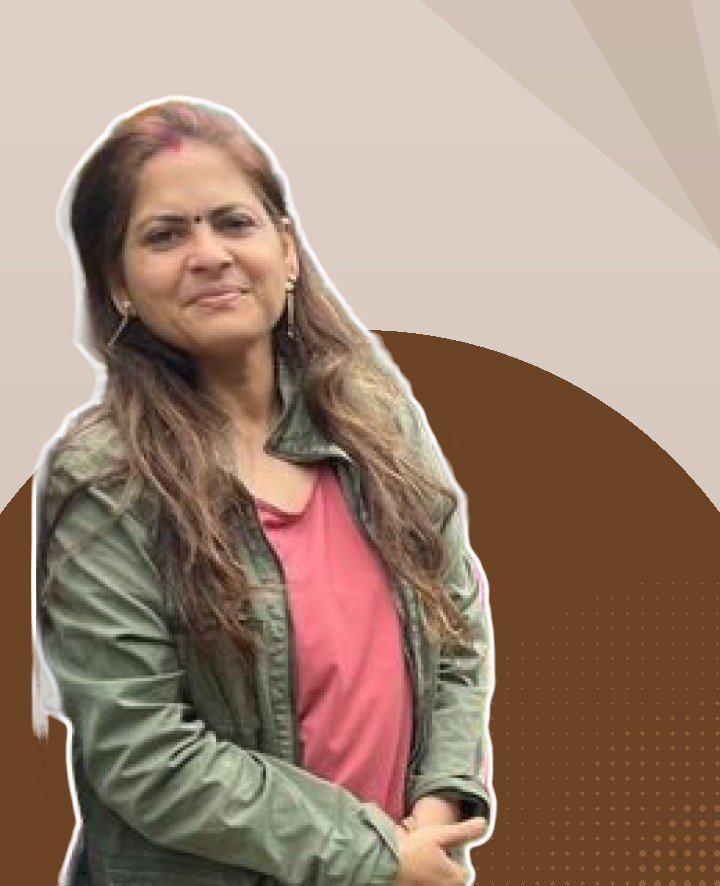
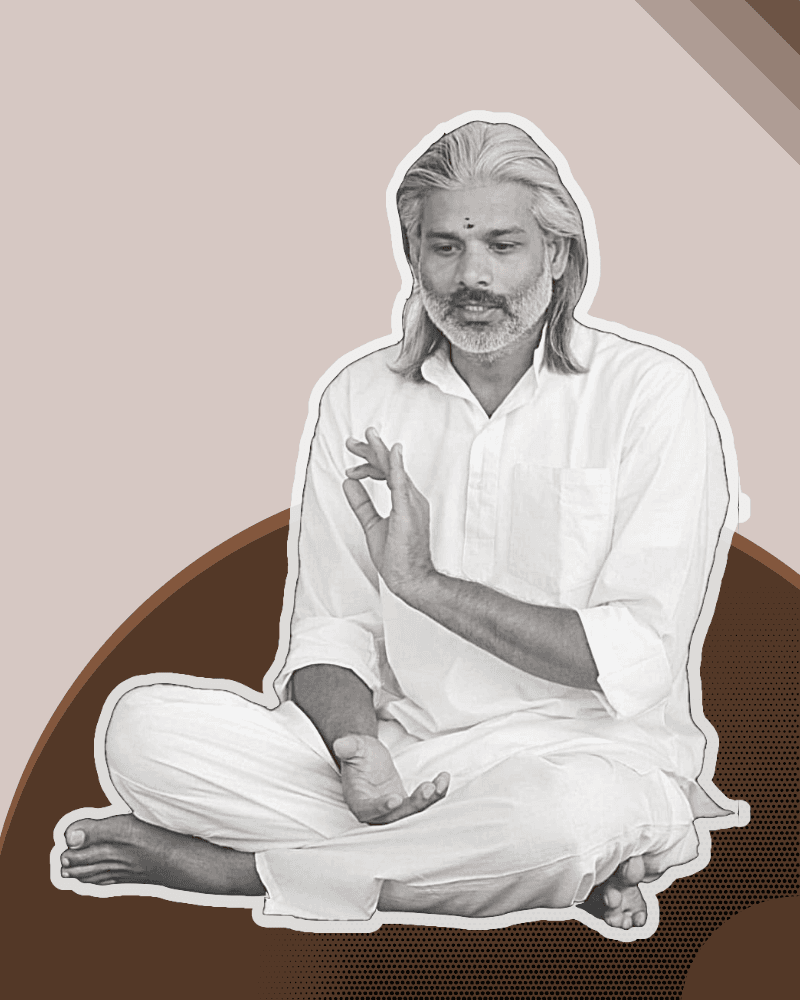
Meet Your Teachers
Our Unique Offerings
Our 200 Hour YTTC combines authentic teaching with an all-inclusive residential experience:
- Traditional Himalayan yoga practices
- Structured 200 hour teacher training
- Hatha Yoga, asana, pranayama and meditation
- Yoga philosophy, anatomy and physiology
- Teaching methodology and practical teaching sessions
- Residential accommodation and sattvic food
- Training and study materials
- A peaceful Himalayan learning environment
Residential Accommodation in Uttarkashi
Students stay at the Yoga Bhawna Mission centre throughout their training and have access to dedicated spaces for yoga practice and study. The Uttarkashi location offers a peaceful Himalayan environment close to the Bhagirathi River, allowing students to practise and study away from the distractions of a busy town.
Sattvic Food During the Course
Food is included in the residential course arrangement. Students are provided with sattvic yogic food designed to support the disciplined routine followed during teacher training. The exact menu and meal arrangements may vary according to the course schedule and available facilities.
Benefits of the 200 Hour YTTC
Deepen Your Yoga Practice
Regular guided practice helps students improve their awareness of posture, breathing, concentration, and movement.
Develop Teaching Confidence
Practical teaching sessions help students learn how to demonstrate, explain, sequence, and guide yoga classes.
Learn Traditional Yoga
Students study philosophy, meditation, pranayama, ethics, and other aspects of traditional yoga alongside asana.
Experience the Himalayas
Uttarkashi provides a peaceful environment surrounded by Himalayan landscapes and spiritual traditions.
Develop Discipline
A residential routine encourages consistency in practice, study, meditation, and personal reflection.
How to Register
Fill in the registration form on this page or message us on WhatsApp. We reply with the next dates, availability and how to confirm your place.
Course Fees
Fees are per person and cover tuition, your room, three vegetarian meals a day, tea, manuals and the weekend trips.
For international (foreign national) students; fees are in US dollars. Indian nationals: see the course for Indian nationals (fees in INR).
| Room | Fee (USD) |
|---|---|
| Dormitory | $600 |
| Triple sharing | $700 |
| Double sharing | $800 |
| Single room | $1,000 |
Upcoming dates
| Start | End | Seats |
|---|---|---|
| 10 Dec 2026 | 04 Jan 2027 | — |
| 10 Jan 2027 | 04 Feb 2027 | — |
| 10 Feb 2027 | 07 Mar 2027 | — |
| 10 Mar 2027 | 04 Apr 2027 | — |
| 10 Apr 2027 | 05 May 2027 | — |
| 10 May 2027 | 04 Jun 2027 | — |
Included
- Tuition
- Your room
- Three vegetarian meals a day
- Tea
- Manuals
- Weekend trips
- Pickup from Dehradun airport or the railway station
- Certification by Sanatana Yog Sandesh
Not included
- Flights
- Visa fees
- Insurance
- Personal expenses
How to Arrive
Pickup from Dehradun airport or the railway station.
Students travelling from outside Uttarkashi usually reach it via Dehradun or Haridwar and continue by road, about five hours from Dehradun.
Our Uttarkashi centre is located at Bhareti Chungi, New Bypass Road, Uttarkashi, Uttarakhand, India.
Because mountain travel can take longer than expected, students should plan their journey carefully and arrive according to the school's instructions.
Location
Shiv Parivar Resort
Bhareti Chungi, New Bypass Road, Uttarkashi, Uttarakhand
Get directionsFAQ
How long is the 200 Hour Yoga Teacher Training in India?
26 days, with one day off each week.
Do I need experience?
Six months of regular practice helps. Fit, committed beginners are welcome too.
Can I teach outside India with this certificate?
Yes. We're registered with Yoga Alliance, so you can sign up as an RYT 200 and teach anywhere that recognises it.
What style do you teach?
Mostly Hatha, with Ashtanga Vinyasa in the afternoons. If you want a Hatha yoga teacher training in India with a bit of dynamic flow added, it's a good fit.
What should I bring?
Loose practice clothes, a warm layer for early mornings, a water bottle, and something modest for temple visits. Mats and props are here.
When's the best time to come?
March to June and September to November have the clearest skies. Winter is cold, but it's very quiet, and some people love that.
How much is the international 200 hour course?
$600 (dormitory), $700 (triple sharing), $800 (double sharing) or $1,000 (single room), including tuition, accommodation and meals.
Is there a different fee for Indian nationals?
Yes. Indian nationals join the same training on a separate course page, priced in rupees (₹28,900 to ₹54,000).
Refund Policy
Booking & Deposit
A deposit is required to confirm your place on the course. Because places are strictly limited and each seat is held for you, the deposit is non-refundable. The remaining balance is due before the course begins, as advised by the admissions team at the time of booking.
Cancellation by the Student
- More than 30 days before the start date: any amount paid above the deposit is fully refundable, or the full amount may be transferred to a future batch within 12 months.
- 15 to 30 days before the start date: 50% of the course fee (excluding the non-refundable deposit) is refundable, or the full amount may be transferred to a future batch within 12 months.
- Less than 15 days before the start date, after the course has begun, or in the case of a no-show: the course fee is non-refundable.
Transfers
You may transfer your booking to a future batch within 12 months of your original start date, subject to availability, by giving written notice at least 15 days before the course begins.
Cancellation by the School
If Yoga Bhawna Mission cancels or reschedules a batch, you will be offered a full refund of all amounts paid, or a transfer to another batch of your choice at no extra cost.
Not Covered
Travel, visa, insurance and personal expenses are arranged and paid by the student and are not refundable by the school.
How to Request a Cancellation or Transfer
Email contact@yogbhawnamission.com with your name, course and batch dates. All cancellation and transfer requests must be made in writing.
Please confirm the current deposit amount and any batch-specific terms with the admissions team at the time of booking.