India has offered retreats to spiritual seekers for thousands of years, long before the word "retreat" was used for a holiday. Today the choice runs from simple ashram stays to silent meditation courses and comfortable yoga retreats. They differ a great deal in routine, rules and comfort, so it pays to know what you are choosing.
The main kinds of spiritual retreat
Ashram stays
An ashram is a spiritual community built around a teacher or a lineage. Guests follow the daily routine: early rising, chanting or prayer, meditation, study and seva, voluntary work. Rooms and food are simple, and rules on dress, silence and behaviour are taken seriously. An ashram suits people who want to live inside a tradition, not just visit it.
Yoga retreats
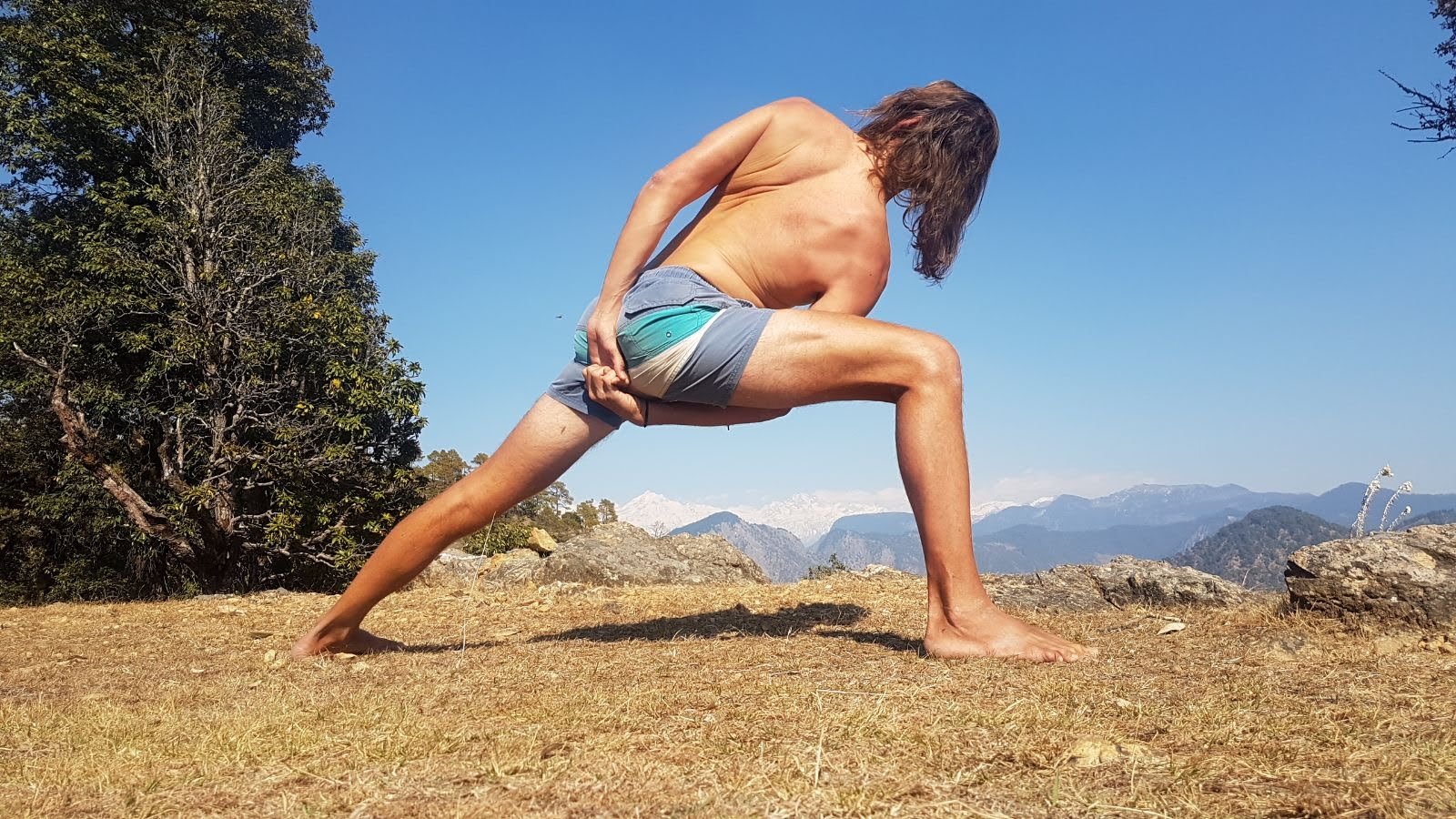
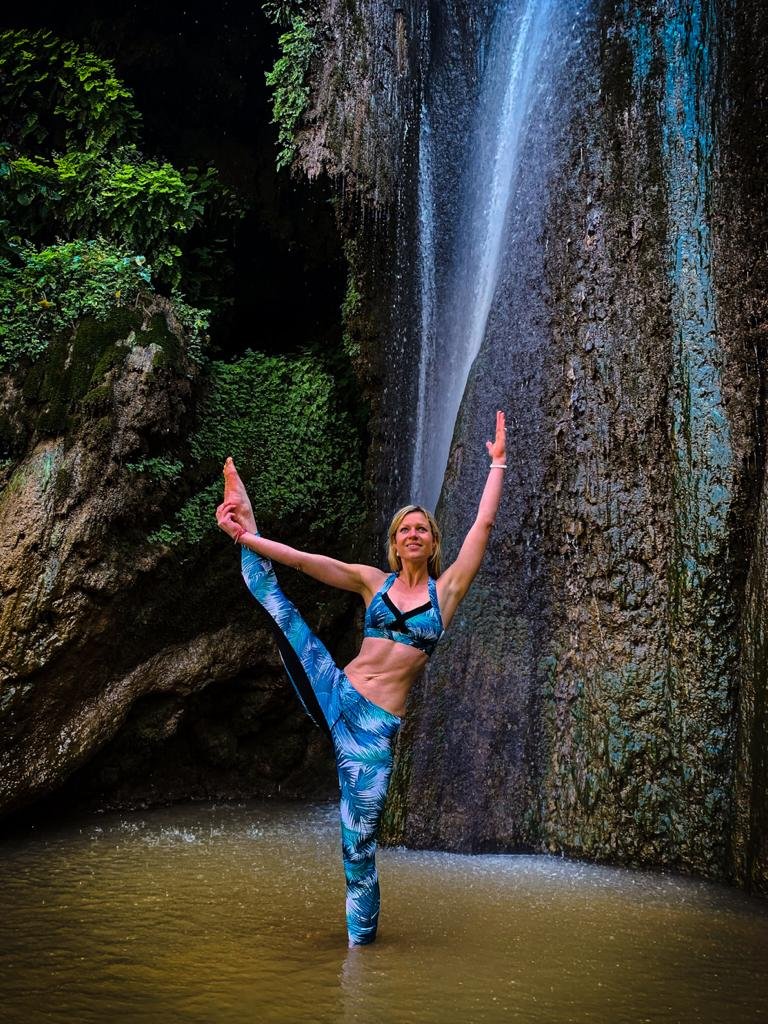
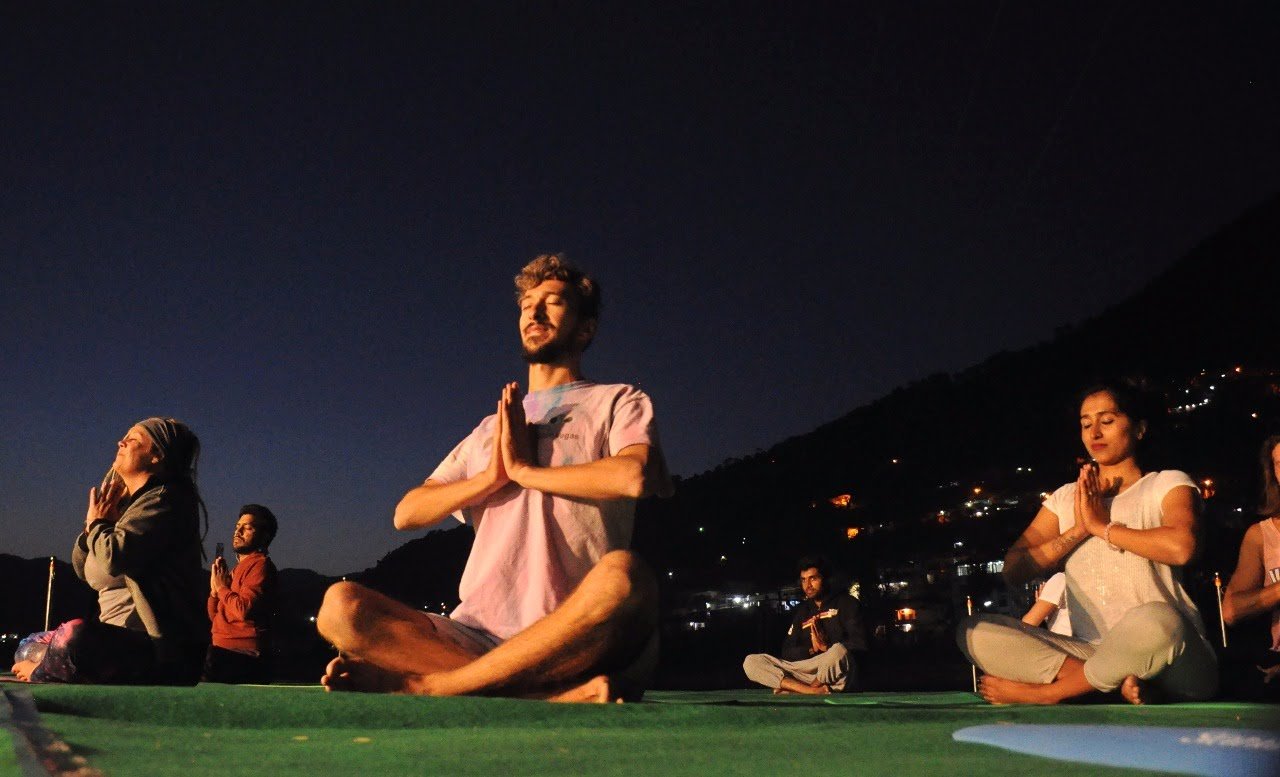
A yoga retreat combines daily asana, pranayama and meditation with rest, simple food and time in nature. It is more structured than a holiday and gentler than an ashram, and usually suits beginners. Most last from a few days to two weeks.
Silent meditation courses
Silent retreats, such as the ten-day Vipassana courses in the tradition of S. N. Goenka held in many Indian cities, ask participants to keep complete silence and meditate for many hours a day. They are demanding and life-changing for many people, but they are not a rest; read the conditions carefully before you apply.
Pilgrimage-based retreats
In the Himalaya especially, practice is often combined with pilgrimage: to the Char Dham shrines of Uttarakhand, to Varanasi on the Ganges, or to Bodh Gaya, where the Buddha attained enlightenment.
Where people go
- Rishikesh, on the Ganges, has the most ashrams and yoga schools, and the busiest scene.
- Uttarkashi, higher on the Bhagirathi on the road to Gangotri, has been a place of retreat for sadhus for generations and is far quieter. Our Uttarkashi guide covers how to get there and when to come.
- Dharamshala and McLeod Ganj are centres of Tibetan Buddhism.
- Tiruvannamalai in Tamil Nadu draws people to the tradition of Ramana Maharshi.
- Kerala is known for ashrams and for Ayurveda.
How to choose
- Your goal: rest and gentle practice, deep meditation, or living inside a tradition.
- The daily schedule: ask for it in writing. How many hours of practice, how much free time, how much silence?
- The teachers: who leads the sessions, and for how long have they taught?
- Group size: small groups get more personal guidance.
- Rooms and food: shared or private, attached bathroom or not, and what is served.
- Season and access: mountain retreats are best from March to June and September to November; monsoon rain can close Himalayan roads.
- Honest information: clear prices, clear rules and real reviews. Be wary of promises of healing or enlightenment.
What a day usually looks like
Most retreats begin before sunrise with meditation or chanting, followed by a morning practice, breakfast, study or rest, an afternoon session, an evening meditation or satsang, and an early night. Meals are usually vegetarian and often sattvic. Alcohol, meat and smoking are usually not allowed.
A retreat with us in Uttarkashi
Our retreats on the Bhagirathi in Uttarkashi combine daily yoga, pranayama and meditation with sattvic meals and quiet, for small groups of up to 15. The 7 Day Himalayan Yoga & Meditation Retreat is open to beginners, and our retreats page lists the 5, 7 and 10 day programmes. If it is your first retreat, read our beginner's guide first.